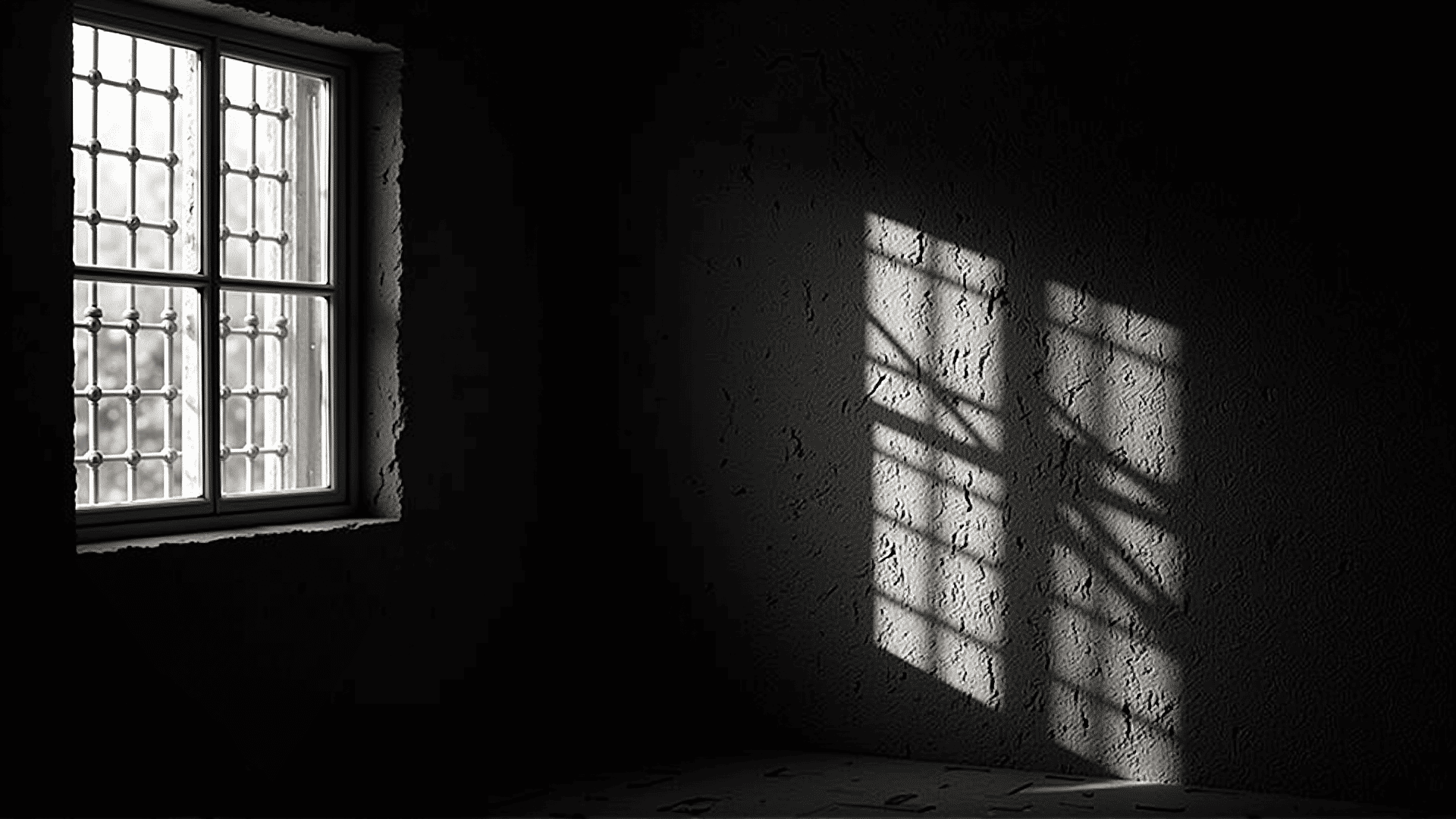
The art of capturing stunning images often involves more than just understanding composition and angles. One of the most powerful tools at a photographer’s disposal is the use of light. Different lighting techniques can dramatically transform the mood, depth, and emotion conveyed by a photograph. Let’s explore various lighting methods that can elevate your photographic creations.
Natural Light
Harnessing natural light can be a game-changer when it comes to adding warmth and realism to your images. The golden hours, shortly after sunrise and before sunset, provide soft, diffused light that can add a magical glow to portraits and landscapes alike. Overcast days offer a different advantage, as the clouds act as a natural diffuser, eliminating harsh shadows and creating a soft light perfect for capturing serene environments.
Backlighting
Backlighting involves positioning the light source behind the subject. This technique can result in striking silhouettes and lend a sense of drama to your scenes. It’s particularly effective for creating a halo effect around your subject, drawing attention to their form while adding a touch of mystery and intrigue. Experiment with different angles and distances to find the right balance for your subject.
Side Lighting
Side lighting is excellent for emphasizing textures and adding depth to your images. By illuminating your subject from the side, you create shadows that reveal details and contours, giving your photographs a three-dimensional quality. This technique is particularly useful in portrait photography, as it can highlight facial features and add character to the image.
Rembrandt Lighting
Named after the Dutch painter Rembrandt, this technique involves placing the light source at an angle to create a triangle of light on the shadowed side of the subject's face. This method adds a classic and dramatic flair to portraits, with the interplay of light and shadow offering a balanced and artistic aesthetic.
High-Key and Low-Key Lighting
High-key lighting is characterized by bright, even illumination that minimizes shadows and creates an airy, cheerful atmosphere. This is achieved by using multiple light sources to ensure the subject and background are well lit. On the other hand, low-key lighting emphasizes shadows and contrasts, creating a moody and dramatic effect. This technique often relies on a single light source to enhance subject features and evoke strong emotions in the viewer.
Reflectors and Diffusers
Reflectors and diffusers are essential for controlling and manipulating light. Reflectors can bounce light onto your subject, filling in shadows and softening the overall exposure. They come in various shades, such as gold for warm tones and silver for sharper reflections. Diffusers, on the other hand, soften harsh light and help to create a gentle, even illumination, ideal for reducing glare and highlights.
Creative Lighting
For those willing to experiment, creative lighting techniques can lead to unique and imaginative results. Techniques like light painting involve moving a light source while taking a long exposure photograph, creating trails and patterns of light. Colored gels over lights can introduce a spectrum of hues, transforming the mood and storytelling aspect of your images.
In conclusion, mastering the use of different lighting techniques allows photographers to add depth, mood, and emotion to their work. Whether using the natural glow of the sun or experimenting with artificial light, the key lies in understanding how light interacts with the subject and using this interaction to enhance the overall impact of the photograph. Through practice and experimentation, you can develop a keen eye for lighting that will significantly elevate your photographic creations.